Bring your building type.
A stairwell, apartment block or mixed layout gives the conversation a useful starting point.
 Holoflow.
Germany's fibre build has reached the street for half of all homes. The work now moves inside the building, and the EU's Gigabit Infrastructure Act raises the bar for how it's done.
German fibre networks are described in network levels (Netzebenen). Network level 3 (NE3) brings fibre to the building, usually to a distribution point in the basement. Network level 4 (NE4) is the in-house network (Gebäudenetz): the fibre that runs from the building distributor up through the building into each individual flat, ending at a fibre socket where the customer connects a router. The Gigabitbüro des Bundes describes NE4 as laying fibre into the individual flats (bis in die einzelnen Wohnungen), which is what makes a connection true fibre to the home (FTTH).
NE4 involves more parties than the street build. The Gigabitbüro's second article sets out two common models: an operator builds, runs and manages the in-house network, or the property owner has it built on their own account (in Eigenregie) and hands over its administration.
The industry's headline figure has been homes passed: fibre in the street or at the property boundary. What counts for customers is fibre inside the building. According to the BREKO market analysis 2025, published in August 2025, 52.8% of German homes were passed, but only 27.3% were connected, meaning fibre had been laid into the building. The gap between the two is largely a building-by-building job, and much of it sits in blocks of flats (Mehrfamilienhäuser).
The EU's Gigabit Infrastructure Act (Regulation (EU) 2024/1309) has applied since 12 November 2025. Under Article 10, new buildings and buildings undergoing major renovation, where the building permit application is submitted after 12 February 2026, must be equipped with fibre-ready in-building physical infrastructure and in-building fibre wiring (gebäudeinterne Glasfaserverkabelung). Multi-dwelling buildings in that group must also have an access point that network operators can reach.
Article 11 gives network operators the right to roll out their network to the access point at their own cost, and to access existing in-building physical infrastructure where duplicating it would be technically impossible or economically inefficient, on fair, reasonable and non-discriminatory terms. Member States can also offer a voluntary fibre-ready label for buildings that meet the requirements.
Our guide to the Gigabit Infrastructure Act covers the dates and requirements in more detail.
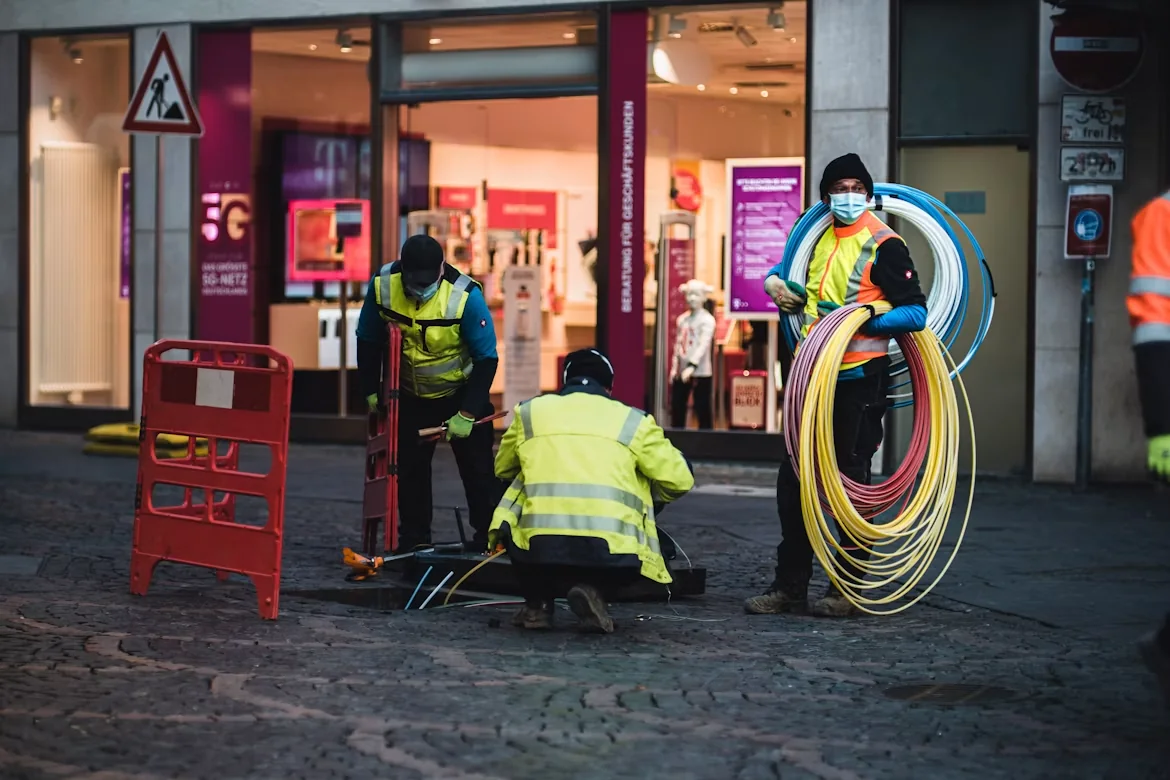
Scan the building with a supported iPhone or iPad with LiDAR, then plan the riser, cabling and equipment in a browser-based 3D editor.
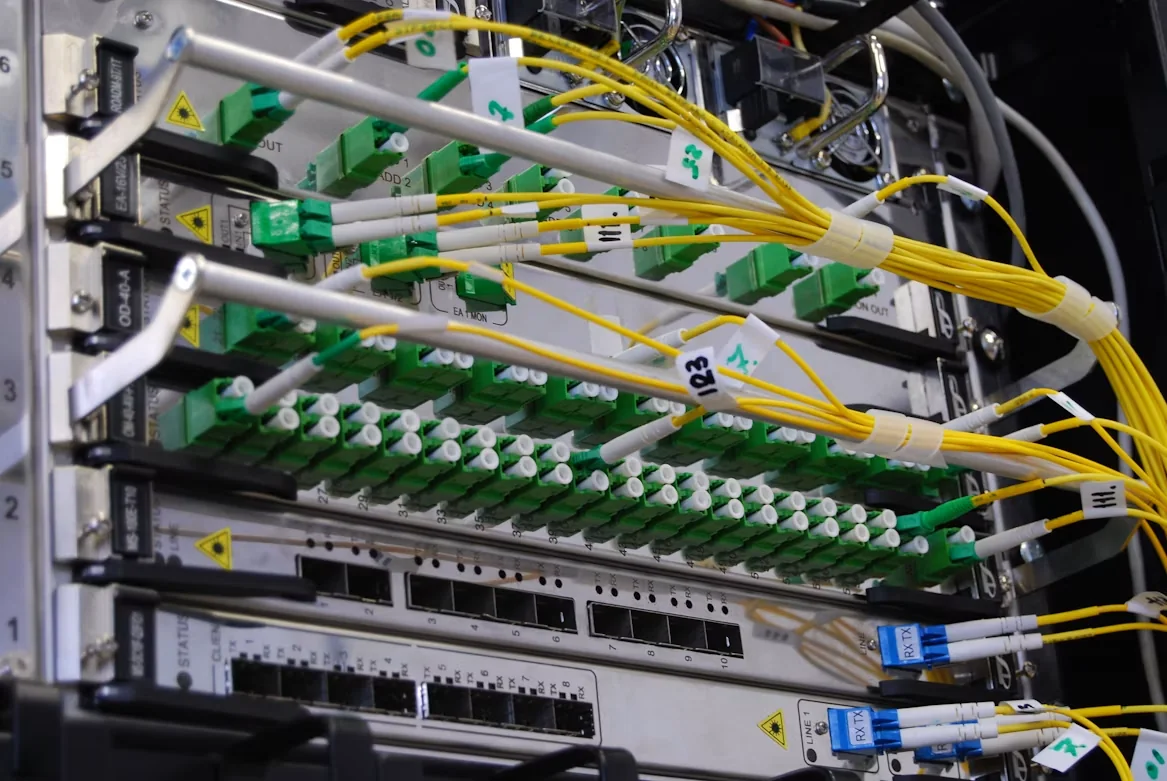
Every floor and flat (Wohneinheit) has its own status and photos, so the record of the in-house network is built as the work is done.
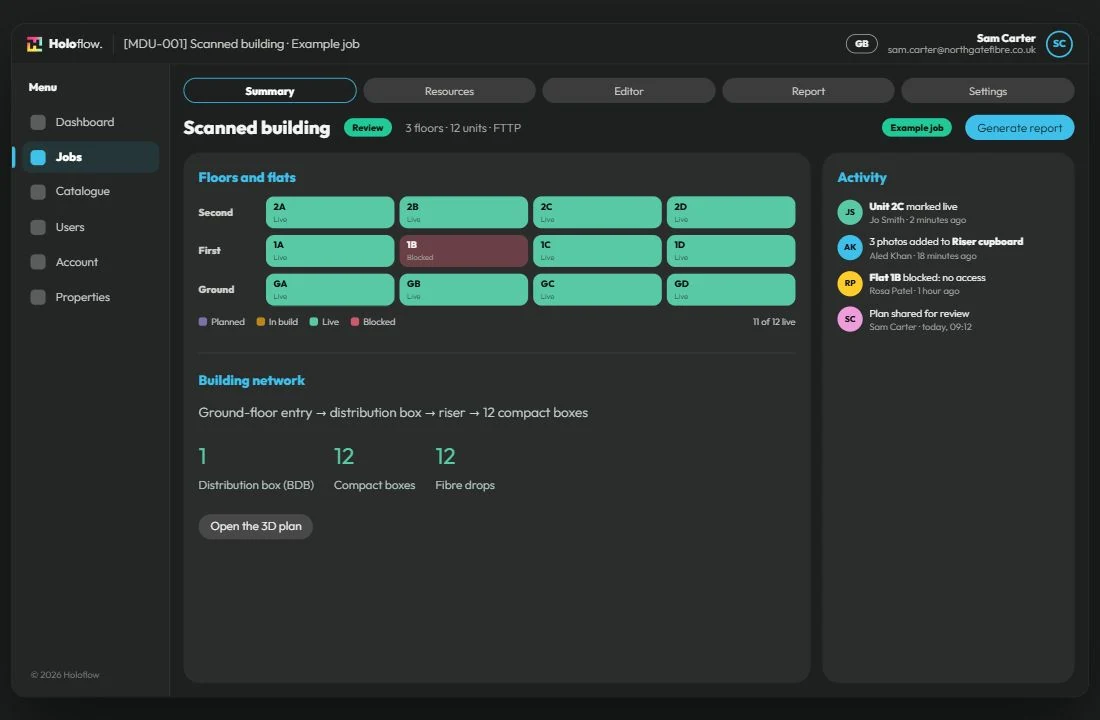
Send the plan to the owner, the housing company or the operator by review link.
Handover reports are generated in your own Word template, filled per job, exported as PDF and signed by the customer on site.
Import job lists from a spreadsheet and define custom fields for your own references and checks.
Holoflow has a separate EU region on Microsoft Azure. Data created there stays there. More on security.
Holoflow is already used by operators and contractors in Germany. Book a demo and we'll show you a building planned end to end.
Use a focused walkthrough to test the workflow against the way your team delivers in-building fibre.
A stairwell, apartment block or mixed layout gives the conversation a useful starting point.
Show the fields, photos and report your delivery process needs.
Include someone from planning and someone from delivery, so both sides of the workflow can be explored.
Book a 30-minute walkthrough of a real building survey, plan and handover report. Bring your questions and tell us how your team works.
Book a demo